

Health Packages

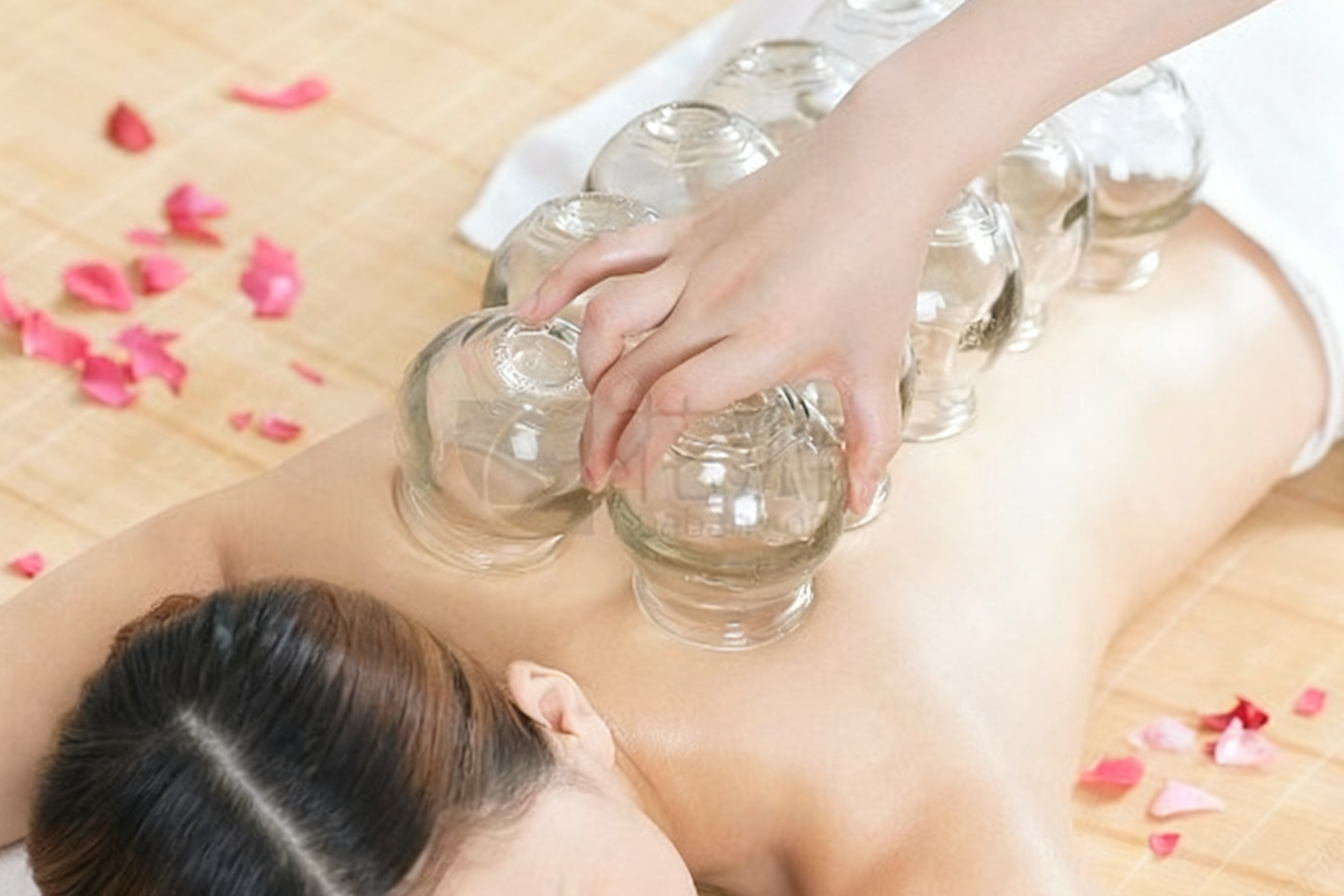
Retained Cupping Therapy Service
$79
- Clearing meridians, promoting blood circulation and removing blood stasis
- Promote local blood circulation
- Relieve muscle stiffness, soreness, and fatigue

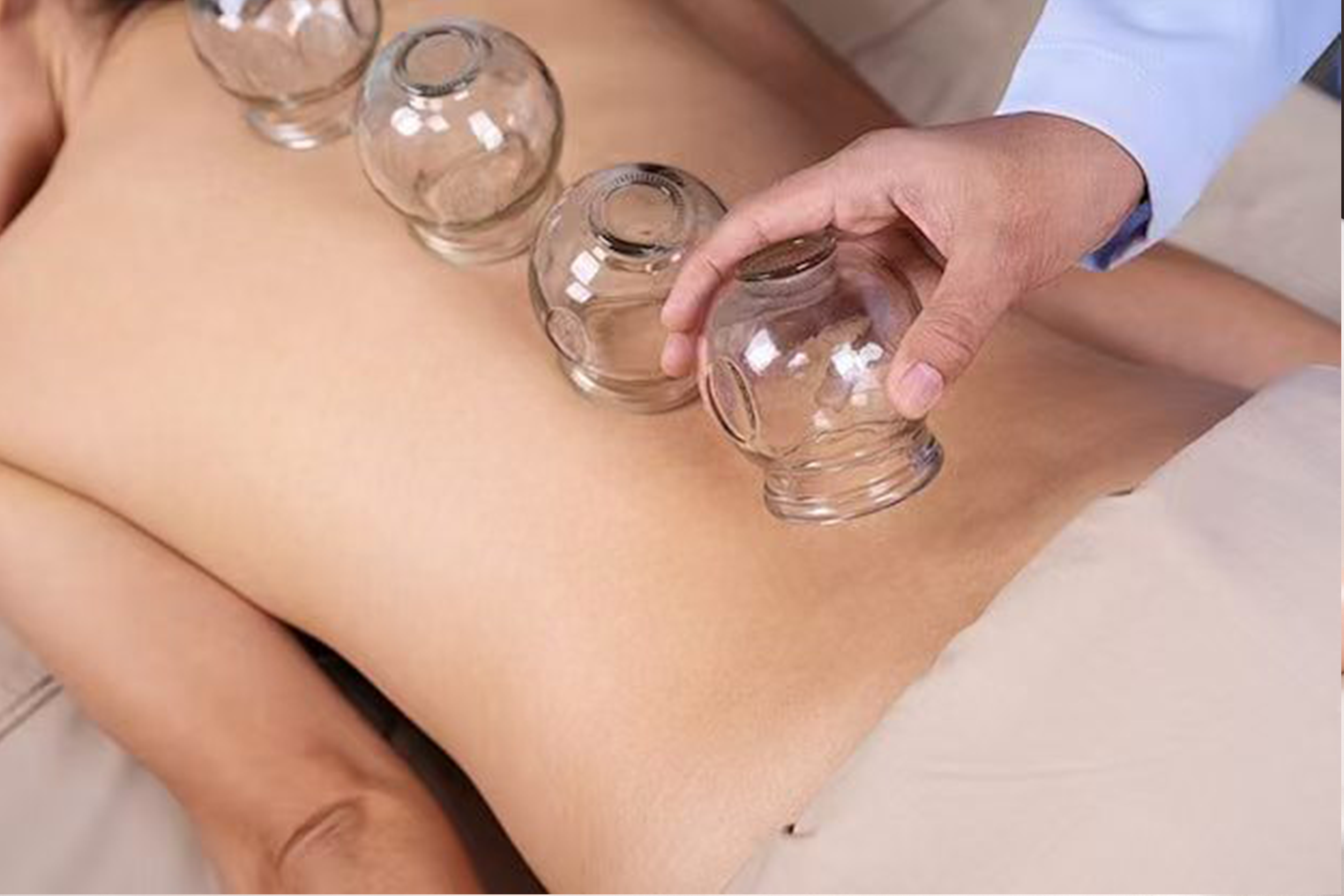
Moving Cupping Therapy Service
$89
- Dispelling wind and dispelling cold, dehumidifying and relieving pain
- Especially the warming effect of cupping can effectively dispel the wind cold dampness evil in the body
- It has good effects on joint cold pain, wind cold and cold.

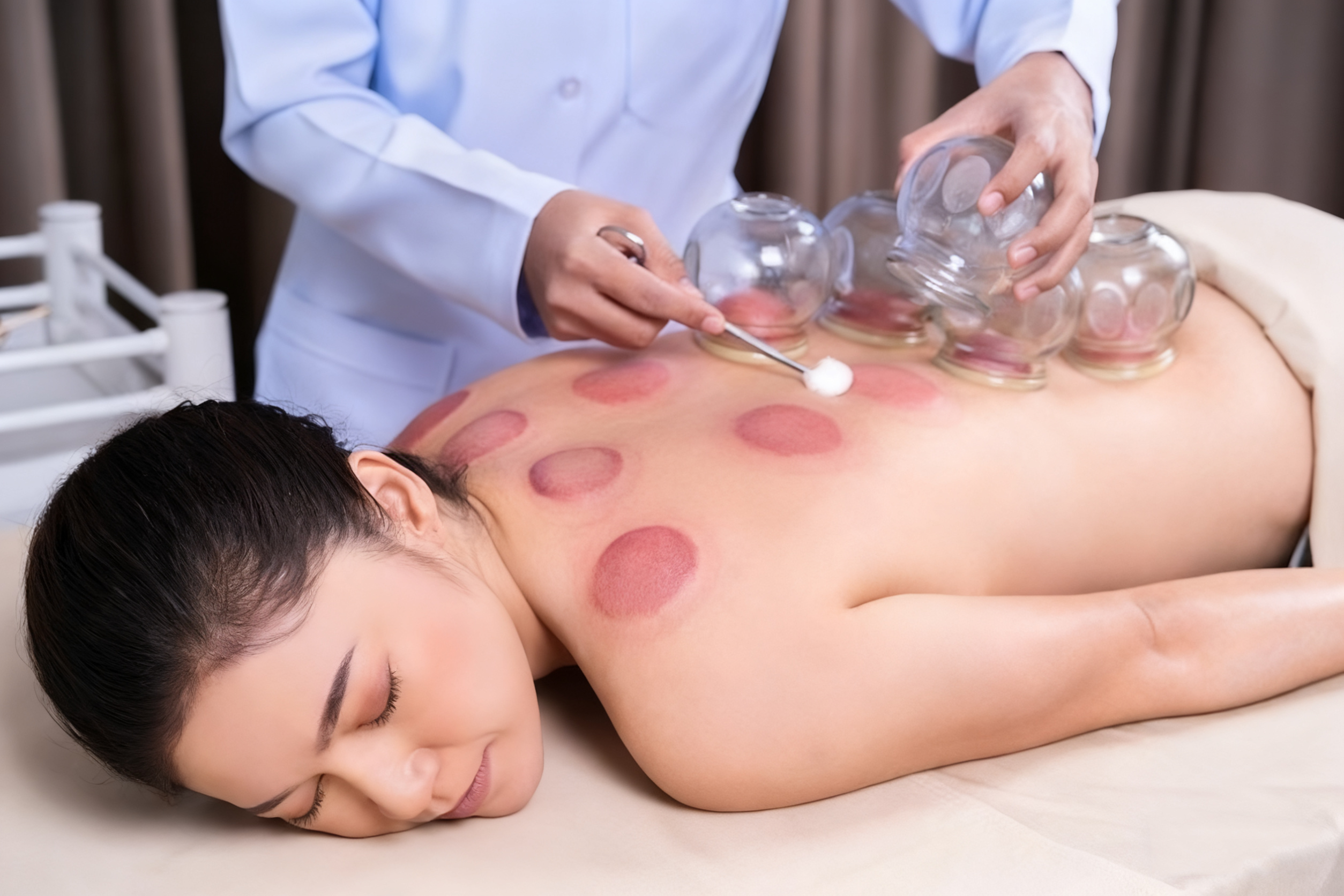
Wet Cupping Therapy Service
$99
- Stimulate essence and regulate organs
- By stimulating meridians and acupoints, regulating the body's qi and blood, and enhancing immunity.
- Swelling and Detoxification: Used to assist in the treatment of swelling caused by soft tissue injury.
Frequently Asked Questions
What is cupping?
Cupping is a traditional Chinese medicine therapy that involves placing a cupping device on the surface of the skin to create negative pressure (suction), causing the local skin and soft tissues to be sucked into the cupping. Its purpose is to promote the circulation of qi and blood, relieve pain, and treat various diseases through this sucking effect.
What is the principle of cupping? (Traditional Chinese Medicine vs Modern Science)
Traditional Chinese Medicine theory: Cupping mainly works by promoting qi circulation, activating blood circulation, dispelling wind and dispelling cold, reducing swelling and relieving pain. It aims to clear the meridians (energy channels in the human body), balance yin and yang, and extract "pathogenic factors" from the body.
Modern scientific explanation: The suction force of cupping can cause local capillary rupture, forming plaque (congestion), which is considered a "controllable minimally invasive injury". This type of trauma can:
Increase local blood circulation, bring nutrients and oxygen, and take away metabolic waste.
Triggering an immune response and stimulating the body to self repair.
Relax tight muscles and fascia, similar to deep tissue massage.
What are the main types of cupping?
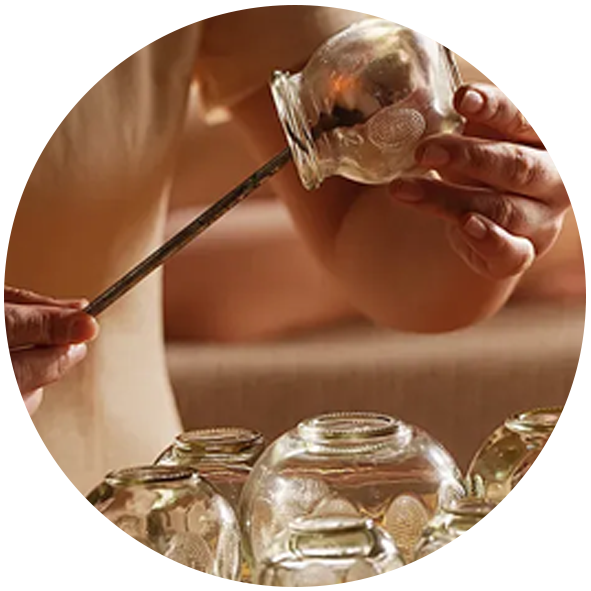
Fire jar: the most traditional method. Instantly burn the flame inside the can, consume oxygen, generate negative pressure, and quickly attach the can to the skin.
Gas suction tank: By manually pumping out the air inside the tank, negative pressure is generated, making it easier to control suction and suitable for household use.
Flash can: Remove the can immediately after suction, repeat multiple times, and use it for skin relaxation or sensitive areas, with mild irritation.
Can walking: Apply lubricant (such as massage oil) to the skin, and after the can is sucked in, slide it back and forth in a specific area (such as the back), similar to scraping, used for large-scale muscle strain
Does cupping hurt?
Cupping itself is usually not sharp or painful, but rather a strong sense of tension, pulling, and pressure. The greater the suction, the stronger the sensation. The first attempt may feel uncomfortable, but it should not be unbearable pain. After treatment, the muscles in the extracted area may experience soreness similar to that after exercise for several days.
Why are there marks (pot spots) left after cupping?
Canister is a congestion caused by the rupture of subcutaneous capillaries due to negative pressure. This is a normal response to cupping therapy and is usually seen as a manifestation of the "disease pathogen" being sucked out.
How long does it take for the plaque to disappear?
It usually takes 3 days to 2 weeks, depending on the individual's metabolic rate, the depth and color of the cupping spots, and the suction strength of the cupping process. The darker the color, the slower it fades.